








Healthy landscapes rarely happen through luck alone. Plant selection shapes soil health, water use, wildlife activity, and seasonal appearance. Regionally adapted native seeds answer those needs with lasting performance. Choosing a trusted Texas native seed supplier gives every planting a stronger foundation while matching local climate, rainfall, and soil conditions from the beginning.
What Makes Native Seeds Regionally Reliable?
Native plants belong within familiar environmental conditions from natural adaptation. Their roots settle deeply across changing seasons without constant attention. Local rainfall patterns suit their life cycle through steady establishment. Birds, butterflies, and pollinators recognize familiar flowering species without hesitation.Small planting choices create meaningful landscape differences over several seasons.
Soil Responds Before Plants Flourish
Healthy ground changes before vibrant flowers capture attention across a property. Deep roots loosen compacted earth while improving moisture movement beneath surfaces. Rich organic matter builds through natural plant cycles every season. Yard owners notice firmer soil during rainfall instead of muddy patches.
Key improvements include:
- Deeper moisture storage below surfaces
- Strong root anchoring during storms
- Rich habitat for earthworms
- Cleaner runoff after rainfall
- Fewer exposed bare patches
Why Seed Source Shapes Results
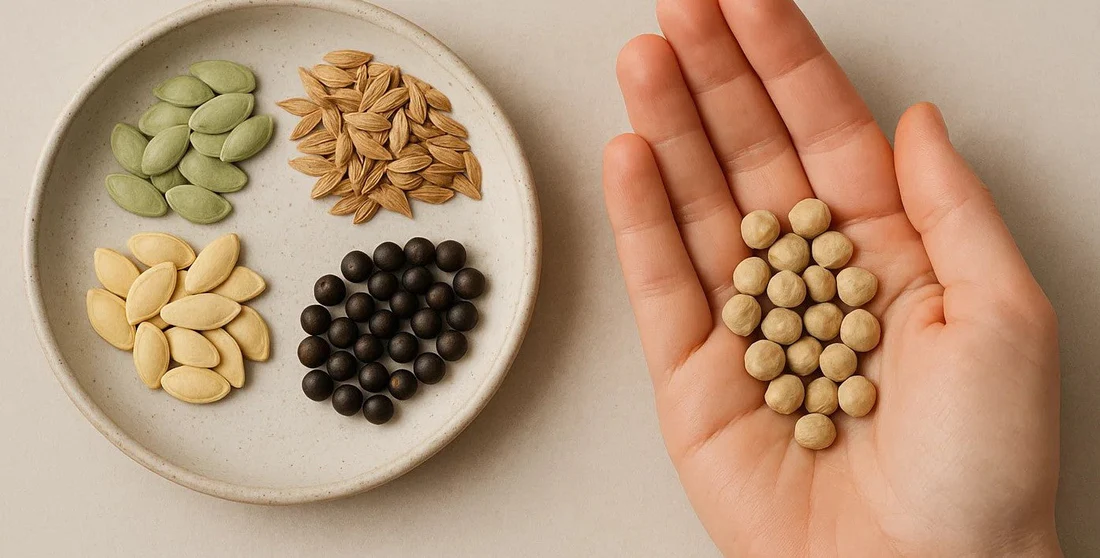
Seed origin influences survival far beyond simple plant identification alone. Regional genetics match familiar weather patterns without unnecessary adjustment. A dependable Texas native seed supplier provides seed collections suited for nearby landscapes, giving restoration projects, residential gardens, and public spaces stronger establishment from their earliest stages.
Simple selection points include:
- Regional collection history
- Clear germination details
- Diverse native varieties
- Reliable planting guidance
Pollinators Notice Native Plant Communities
Butterflies arrive where nectar appears through familiar flowering cycles each season. Native bees locate dependable food because bloom timing matches natural behavior. Songbirds visit landscapes offering seeds, shelter, and protective nesting cover. One backyard prairie patch often attracts richer wildlife than decorative turf alone.
Healthy ecosystems reward careful planting with visible activity across changing months.
Which Yard Benefits Most From Native Seeds?
Every outdoor space gains value through thoughtful species selection over time. Residential lawns become easier to manage after native grasses mature fully. School grounds welcome pollinators without complicated maintenance schedules. Ranch entrances maintain attractive color despite changing weather across broad open landscapes.
Suitable projects include:
- Front-yard restoration
- Community green spaces
- Roadside planting areas
- Small meadow conversions
- Rain garden installations
Native Landscapes Leave Stronger Local Legacies
Deep-rooted grasses mentioned earlier accomplish more than visual improvement across neighborhoods. They strengthen soil while reducing unnecessary maintenance throughout changing seasons. Pollinator activity expands because familiar flowering species remain available every year. Those connected benefits create outdoor spaces carrying ecological value beyond individual property boundaries, leaving healthier land for future generations.
FAQs
- Why are regionally adapted native seeds preferred?
They match local climate, soil, and rainfall, helping plants establish stronger with fewer maintenance demands. - When should native seeds be planted?
Planting during suitable seasonal temperatures gives seeds better conditions for root establishment and steady emergence. - Can native plants reduce watering needs?
Yes. Mature native species often depend more on natural rainfall because deep roots access stored soil moisture.

