






Unwanted wildlife often informers into residential spaces without notice. Small cracks, weak roofs, or open exhausts make easy entry paths. Inspections reduce these risks before they grow into swarms. Timely action keeps homes secure while protecting residents’ well-being. With wildlife removal san antonio, control efforts become more structured and defensive.
Why Regular Inspections Are Necessary?
Routine checks highlight weaknesses and help avoid animal invasions. Inspections also ensure long-term health and safety.
Common Areas Inspected During Visits
Experts target key points where wildlife usually gains entry or hides.
- Attic spaces checked for droppings, nests, or hidden damage.
- Roof gaps are sealed before raccoons or birds gain permanent access.
- Vents are covered with durable mesh to block climbing wildlife entry.
- Chimneys are inspected for nests or possible bat infestations early.
- Foundations are examined for cracks used by rodents or snakes.
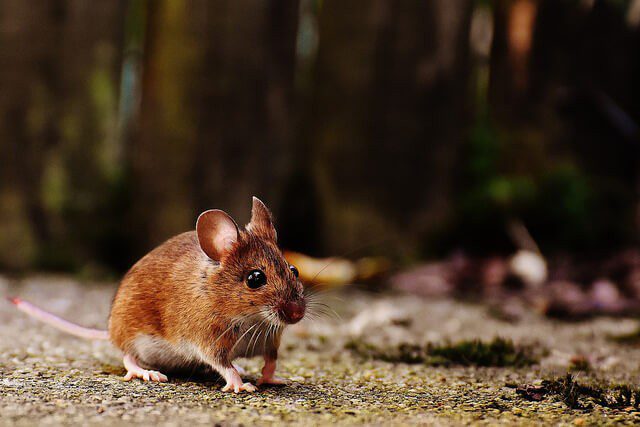
Early Finding Avoids Bigger Problems
Scheduled inspections are very important for keeping problems from occurring over time. Early action stops wildlife before serious damage occurs. Careful observation reduces repair costs and protects families. Homes remain safe when professionals monitor vulnerable entry points consistently. This makes prevention easier than dealing with costly infestations later.
Inspection Data Shows Positive Outcomes
Routine checks help reduce intrusion rates and protect family health. With wildlife removal san antonio, inspections support lasting prevention.
| Inspection Area Checked | Detection Rate (%) | Prevented Infestations (%) | Safety Score (%) |
| Attics and Roofs | 92 | 89 | 91 |
| Chimneys and Vents | 88 | 84 | 87 |
| Foundations and Crawlspace | 85 | 82 | 86 |
| DIY Unsupervised Checks | 51 | 47 | 55 |
The table highlights stronger outcomes when inspections are conducted professionally. Attics and roofs show the highest risk but also the best detection rates. Chimneys and vents remain common wildlife paths, requiring durable covers. DIY checks often fail to stop recurring entries.
Questions About Inspection Practices
- How often should homes be inspected? Twice yearly for effective protection.
- Are professional inspections worth it? Yes, they detect signs invisible to untrained eyes.
- Can inspections prevent health hazards? Yes, they stop droppings and contamination risks.
- Do professionals provide repair support? Many offer sealing and barrier installation.
- Is DIY inspection enough? No, it often misses early signs of activity.
Routine Checks Ensure Lasting Protection
The role of regular home inspections in wildlife control and prevention cannot be ignored. Families gain safety when every vulnerable area is checked thoroughly. Professionals notice hidden signs and close off risks before problems grow. Early prevention saves money and avoids future stress. With wildlife removal san antonio, inspections guarantee lasting results for healthier homes.
